VCI Rust-Preventive Packaging for Automotive and Mechanical Parts
VCI vapour-phase bags replace rust-preventive oil for bare metal auto parts. Oil-free protection in sealed bags, ISO 9001 plant, 7–15 day lead times.
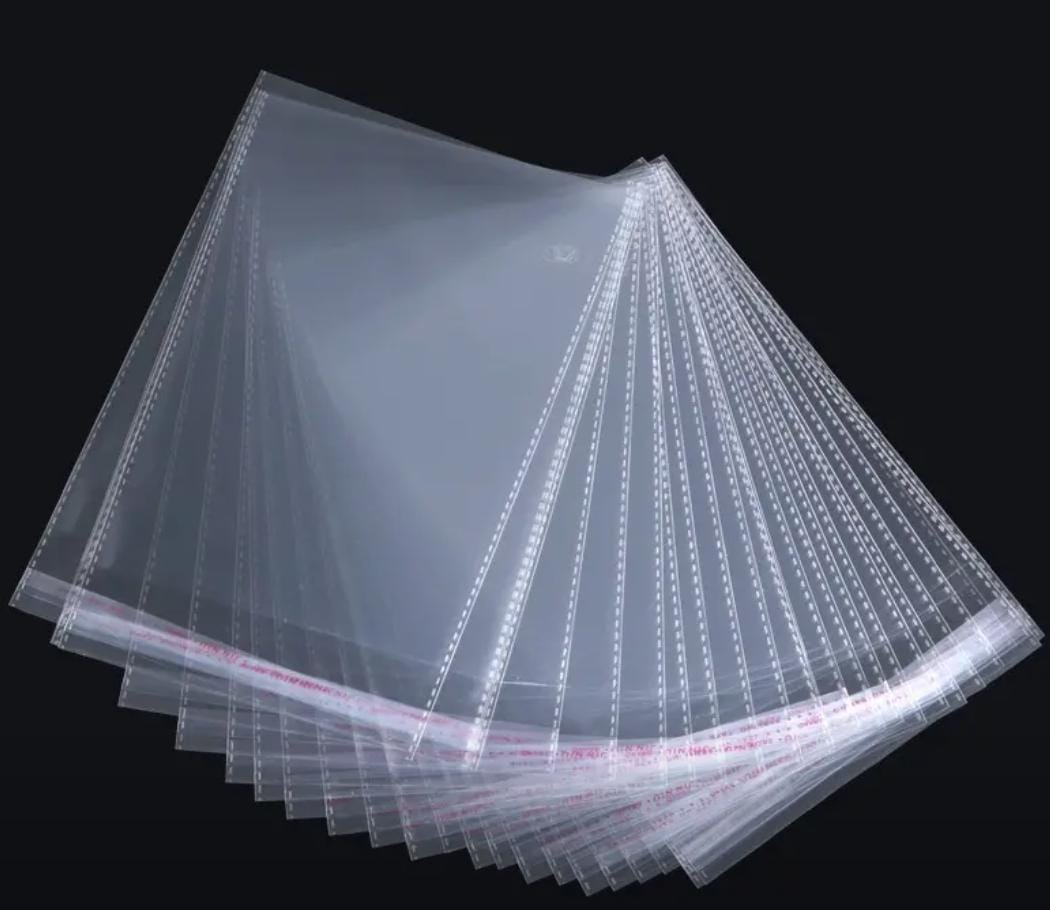
VCI rust-preventive packaging releases vapour-phase corrosion inhibitors from the film to protect bare metal surfaces without coating parts in oil. PSF Packaging supplies VCI bags that replace traditional rust-preventive oil for automotive and mechanical parts, from a 3,000 m² ISO 9001 plant with 7–15 day lead times and a 99.9%+ passed-inspection rate.
Scope of supply in this sector
We supply VCI rust-preventive bags for bare ferrous and alloy parts in sealed transit packaging. We do not supply rust-preventive oils, clean or dry your parts before packing, or provide salt-spray certification of finished assemblies — corrosion testing belongs to your quality lab. VCI protection depends on a closed bag, so it is not suitable for open or vented shipments.
Requirements
| Corrosion protection | Vapour-phase inhibitors, oil-free |
|---|---|
| Application | Bare metal parts in sealed bags |
| Residue | No oil film on parts after unpacking |
| Quality system | ISO 9001 (certified 2019) |
| Materials compliance | EU REACH compliant (2022) |
| Standard lead time | 7–15 days |
Materials we supply for this sector
- VCI rust-inhibitive film
- PE / CPE co-extruded film
- Multi-layer barrier film for longer transit
- Aluminium foil laminates where extended barrier is needed
Applicable standards
- ISO 9001 (certified 2019)
- EU REACH compliant (2022)
- VCI protection by inhibitor release in a sealed bag, not by oil coating
Typical bag formats and applications
- Bare machined steel and iron components
- Engine, gearbox and drivetrain parts
- Bearings, shafts and fasteners
- Castings and forgings in transit
Quality risks specific to this sector
These are the failure modes we see most often in this sector. They are listed because knowing them before sample approval is cheaper than discovering them at your incoming check.
- Transit rust: bare steel in humid sea freight corrodes before arrival if the bag is unsealed or the VCI dose is insufficient for the bag volume.
- Oil contamination: rust-preventive oil leaves residue that interferes with assembly, painting and weighing, and creates disposal cost.
- VCI mismatch: inhibitor chemistry must match the metal; a generic film is not appropriate for mixed ferrous and non-ferrous loads.
- Bag leakage: punctures on sharp castings let the inhibitor escape and humid air in, ending protection early.
Compliance and capability questions
How do VCI bags replace rust-preventive oil?
VCI film releases corrosion inhibitors into the sealed bag, forming a protective layer on bare metal without oil. Parts arrive clean and can go straight to assembly. PSF switched customers from oil to VCI bags; our passed-inspection rate is 99.9%+.
Do VCI bags work for mixed steel and aluminium loads?
It depends on the inhibitor chemistry. Some VCI films protect ferrous metals only; mixed loads need a multi-metal formulation. Tell us the metals and transit duration and we will specify the film, rather than assume one type fits every load.
How long do VCI bags protect parts in sea freight?
Protection lasts as long as the bag stays sealed and the inhibitor dose matches the bag volume and transit time. We quote the film structure from your route and duration; standard lead time is 7–15 days.
Industries we also supply
Electronics & Semiconductor
ESD shielding packaging is a static-dissipative barrier that protects electronic components from electrostatic discharge and moisture during storage and shipment. PSF Packaging supplies ESD shielding bags with surface resistance of 10⁶–10¹¹ Ω, moisture-barrier and anti-oxidation pouches for PCBs and semiconductors, from a 3,000 m² ISO 9001 plant with 7–15 day lead times..
View sectorFood & Beverage
Food-grade flexible packaging must meet migration limits for direct food contact and run cleanly on high-speed filling lines. PSF Packaging supplies PE, PP and mPE bags compliant with FDA 21 CFR 177.1520 and five-layer co-extruded POF shrink film with a shrink rate of ≥50% for high-speed lines, from a 3,000 m² plant with 7–15 day lead times..
View sectorE-commerce, Retail & Jewellery
E-commerce and retail packaging balances shelf presentation with transit protection across many SKUs. PSF Packaging supplies custom printed bags, self-seal zipper pouches, OPP card-header bags and bubble or EPE cushioning with offset and gravure printing up to 150 LPI, from a 3,000 m² ISO 9001 plant with 7–15 day lead times..
View sectorSend your bag specification, get a quote
Give us the format, dimensions, film structure and artwork. You will receive an indicative price, a stated lead time and a clear answer on whether we can hold the specification — no obligation, and no sales call unless you ask for one.