What Are VCI Rust Preventive Bags?
VCI bags release corrosion inhibitors to protect metal parts in transit. How vapour-phase inhibition works, which metals it suits, and where it fails.
PSF Packaging Engineering · Published November 2, 2026 · Updated November 20, 2026 · 3 min read
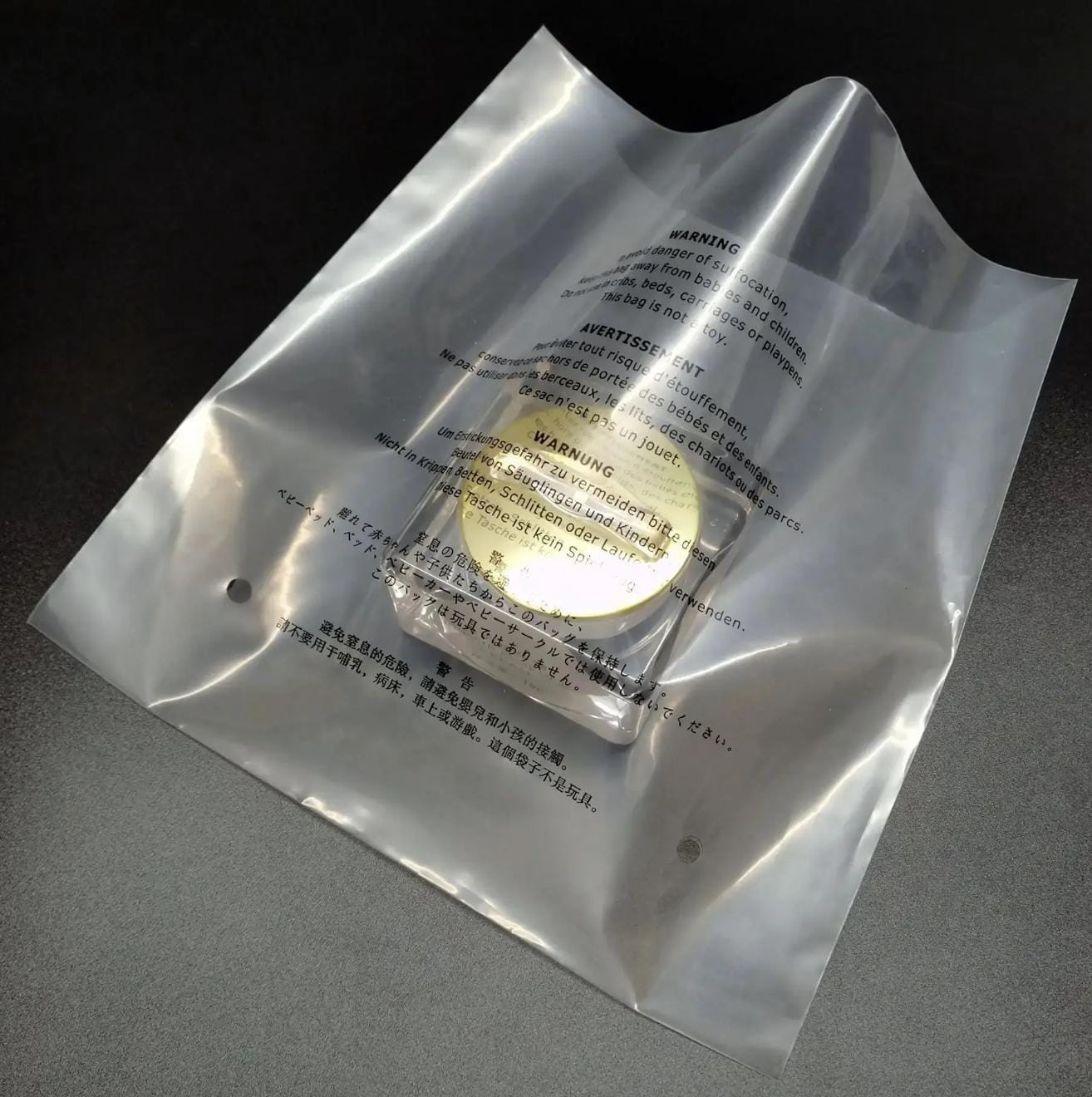
A VCI (volatile corrosion inhibitor) rust preventive bag is a plastic film impregnated with compounds that vaporise inside a sealed package and form a protective molecular layer on metal surfaces, stopping electrochemical corrosion without oil or grease. PSF Packaging supplies VCI bags for automotive and machinery parts, with lead times of 7–15 working days and compatibility confirmed by sample testing.
Key points
- VCI protection requires a sealed or near-sealed package — the inhibitor must reach the metal surface in vapour form.
- VCI replaces rust-preventive oil, eliminating degreasing before assembly or painting.
- Inhibitor chemistry is metal-specific: a formula for steel may not protect aluminium or copper.
- Protection period depends on seal quality, temperature and packaging volume, not a fixed number on the bag.
Definition
Volatile corrosion inhibitor (VCI) technology uses organic compounds that transition from solid to vapour at ambient temperature. When enclosed with a metal part, the vapour migrates to the metal surface and adsorbs as a thin film that interrupts the corrosion cell — the electrochemical reaction between metal, oxygen and moisture.
A VCI bag is a polyethylene film containing these compounds, either incorporated into the film or applied as a coating. PSF supplies VCI structures for metal parts shipped domestically and by sea.
Why it replaces oil
| Method | Protection mechanism | Downstream cost |
|---|---|---|
| Rust-preventive oil | Physical barrier coating on the part | Degreasing required before assembly, painting or welding |
| VCI bag | Vapour-phase molecular barrier | Parts arrive clean and dry; no removal step |
| Desiccant alone | Removes moisture, does not inhibit corrosion | Limited effect if seals leak or humidity is high |
| Vacuum packing | Removes oxygen | Collapses on sharp parts; re-expansion can trap moisture |
The saving is not in the packaging price — it is in the eliminated degreasing step and the reduced risk of oil contamination on painted or assembled surfaces.
Matching inhibitor to metal
| Metal | VCI suitability | Note |
|---|---|---|
| Carbon steel, cast iron | Excellent | Standard ferrous-grade inhibitor |
| Stainless steel | Good | Grade must be compatible with passive surfaces |
| Aluminium alloys | Grade-specific | Some inhibitors cause staining; specify explicitly |
| Copper and brass | Grade-specific | Use a non-ferrous-compatible formulation |
| Mixed-metal assemblies | Requires validation | Test all metals together before production |
A single bag containing steel, copper and aluminium parts needs an inhibitor compatible with all three. This is the most common avoidable failure in VCI selection.
The three conditions for success
- Seal. The package must be closed. A bag folded over without a seal allows inhibitor vapour to escape and humid air to enter continuously.
- Film area. The amount of VCI released scales with film surface area. Undersized bags under-protect large metal masses.
- Surface cleanliness. VCI protects a clean surface. Rust already present, salt contamination or fingerprints under the film continue to develop.
Boundary: where VCI is not enough
VCI does not stop mechanical damage, and it does not protect parts that are wet or already corroded at packing. For long sea voyages through tropical climates, combine VCI film with desiccant and a humidity indicator card. For precision-machined surfaces with tight rust-free requirements, add a sample-based protection-period test rather than relying on catalogue values.
Still deciding between ESD and VCI? Read the ESD shielding bag definition — the two protect against completely different failure modes and are sometimes combined for electronic assemblies with metal housings.
This article describes general practice in flexible packaging. It is not a substitute for a specification review of your product — film structure, functional values and compliance depend on the contents, the packing line and the destination market.