Food Contact Packaging: FDA and EU Rules
What food-contact compliance means for plastic bags and film: FDA 21 CFR 177.1520, EU REACH, resin, ink and contact conditions explained.
PSF Packaging Engineering · Published November 5, 2026 · Updated November 20, 2026 · 3 min read
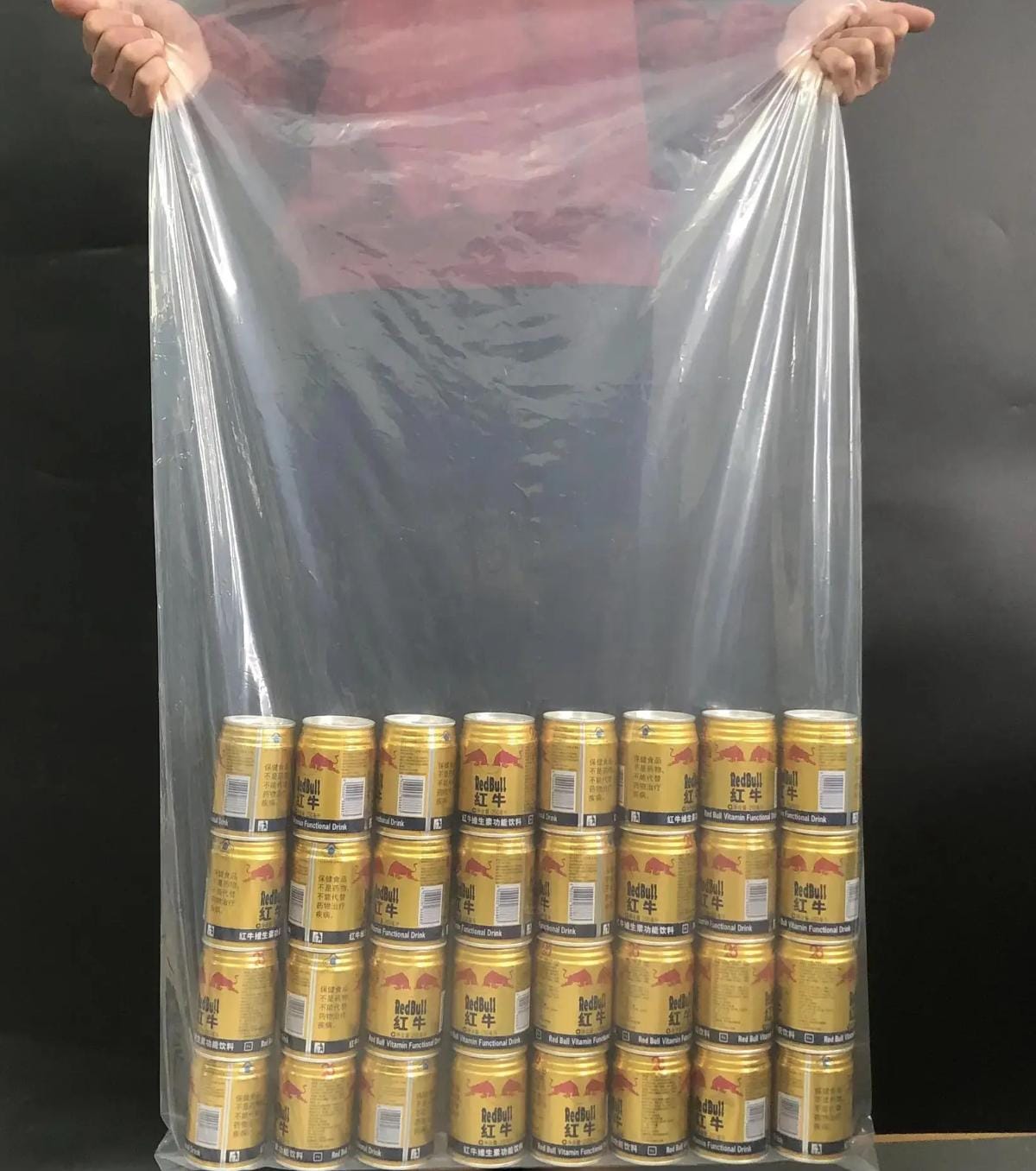
Food-contact compliance for plastic packaging is not a property of the bag alone — it depends on the resin, ink, adhesive, food type, contact temperature and duration. PSF Packaging supplies food-grade PE, PP and mPE structures aligned with FDA 21 CFR 177.1520, and confirms EU REACH status per SKU, with 7–15 working day lead times.
Key points
- A material being food-grade is necessary but not sufficient — the finished structure must suit the actual food and contact conditions.
- FDA 21 CFR 177.1520 addresses olefin polymers; other polymers fall under different sections.
- Ink and adhesive are part of the compliance question, not just the film.
- REACH and food-contact compliance are separate regulatory questions with different scopes.
Two different questions
Buyers often merge two separate compliance questions. Keeping them apart prevents expensive mistakes:
| Question | Framework | What is assessed |
|---|---|---|
| Can this material contact this food under these conditions? | US FDA 21 CFR, EU framework regulation 1935/2004 and member rules | Migration from article into food |
| Can this article be placed on the EU market? | EU REACH | Presence of restricted substances |
| Is the declared structure what was supplied? | Supplier documentation | Resin, ink, adhesive and layer identity |
What FDA 21 CFR 177.1520 covers
The section addresses olefin polymers used in food contact. A supplier citing it should be able to tell you which layer of the structure it applies to, and what other sections apply to the remaining layers.
| Structure | Relevant question |
|---|---|
| PE / mPE monolayer | Does the resin grade meet the applicable section and conditions of use? |
| PP / OPP | Which polymer section applies, and what temperature range? |
| Multilayer film | Which section applies to each layer, and are adhesives covered? |
| Printed film | Is ink external, and is migration across layers addressed? |
Conditions of use matter
The same film can be suitable for dry foods at ambient temperature and unsuitable for fatty foods at hot-fill temperature. Migration increases with temperature, fat content and contact time.
| Food type | Relative migration risk | Practical implication |
|---|---|---|
| Dry goods, ambient | Lower | Standard structures often sufficient |
| Fatty foods | Higher | Barrier and resin selection matter |
| Acidic foods | Higher | Adhesive and ink stability matter |
| Hot fill or retort | Highest | Structure must be rated for the temperature |
PSF’s position
PSF supplies food-grade PE, PP and mPE structures aligned with FDA 21 CFR 177.1520, and confirms EU REACH status per SKU. Statements are made against a described application — not as a blanket claim about every product in the catalogue. Buyers should provide the food type and contact conditions before a compliance statement is issued.
Boundary: what this page cannot do
This page is engineering guidance, not legal certification. It cannot confirm that a specific structure is compliant for a specific food without the resin grade, ink system, adhesive, layer order, food type, temperature and contact time. Regulatory requirements also change; confirm current requirements with the competent authority in the destination market before placing goods on sale.
For the wider supplier-qualification process, read how to choose a flexible packaging supplier.
This article describes general practice in flexible packaging. It is not a substitute for a specification review of your product — film structure, functional values and compliance depend on the contents, the packing line and the destination market.