Print Quality on Custom Bags: 150 LPI and Ink
Why printed logos fail on plastic film: corona treatment, line screen, ink adhesion and rub resistance. A practical guide for custom bag buyers.
PSF Packaging Engineering · Published November 7, 2026 · Updated November 20, 2026 · 3 min read
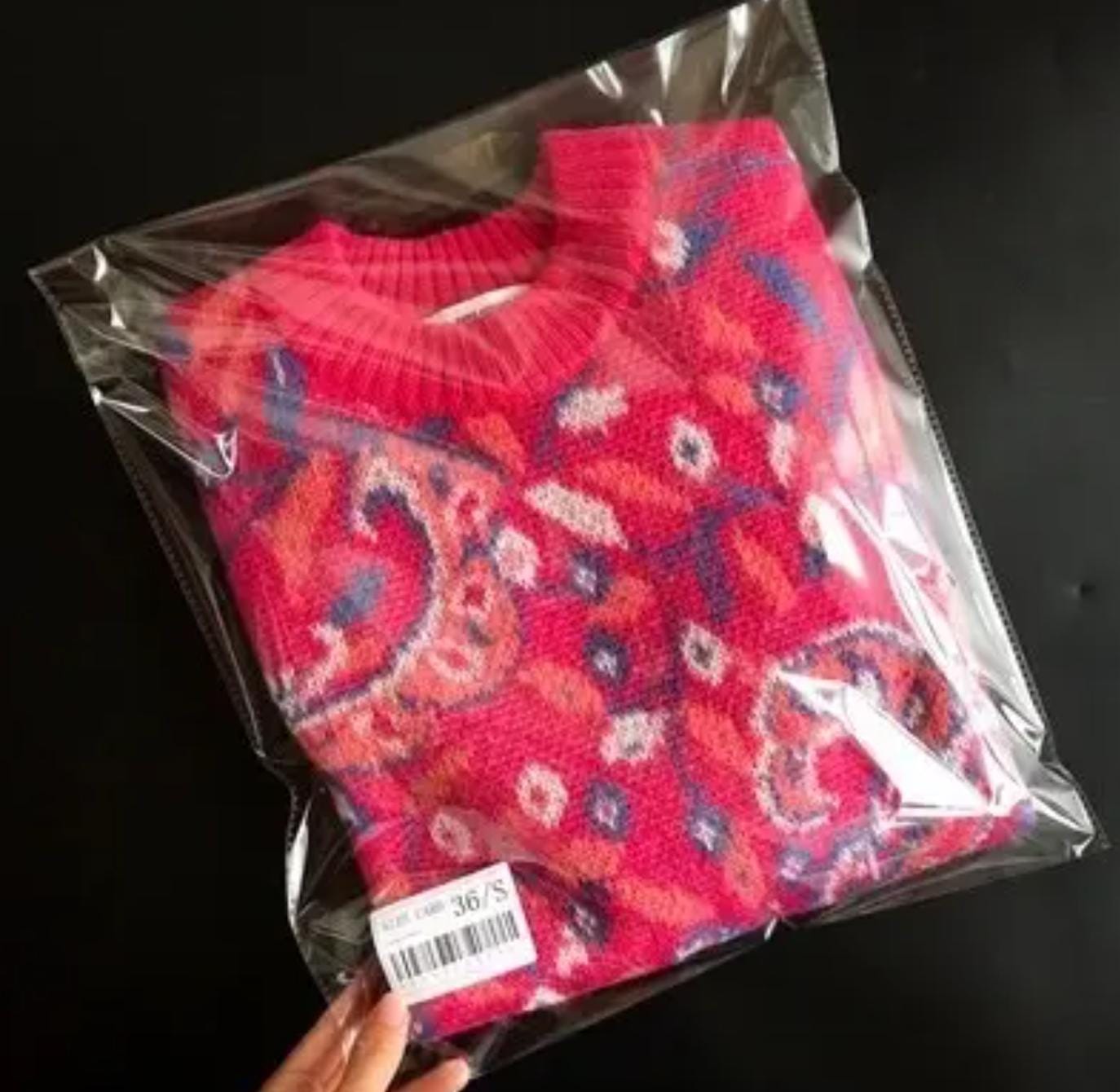
Print quality on flexible packaging depends on surface treatment, line screen, ink system and film structure: PSF Packaging runs offset and gravure printing up to 150 LPI on corona-treated film, with sample approval before production and a 99.9%+ passed-inspection rate.
Key points
- Untreated polyethylene film will not hold ink — corona treatment is a prerequisite, not an option.
- 150 LPI is a practical upper range for film printing; finer screens need tighter process control.
- Rub resistance is a separate test from colour accuracy.
- Artwork approved on paper will not look identical on film — approve a printed sample.
The print chain
| Stage | Failure if skipped | Control |
|---|---|---|
| Corona treatment | Ink beads up or rubs off | Surface energy checked before printing |
| Plate or cylinder preparation | Fine detail lost, colour drift | Screen ruling matched to artwork |
| Ink selection | Adhesion failure, odour, migration | Ink matched to film and end use |
| Drying | Blocking, rub-off, odour | Line speed balanced with dryer capacity |
| Sample approval | Production differs from expectation | Written spec from approved sample |
Offset versus gravure
| Method | Best for | Practical limit |
|---|---|---|
| Offset | Fine detail, shorter runs, quick plate changes | Plate-based setup cost |
| Gravure | Long runs, consistent colour, high line coverage | Cylinder cost suits higher volume |
PSF runs both offset and gravure printing at up to 150 LPI. The method is selected by artwork, run length and film structure — not by preference.
Corona treatment explains most adhesion problems
Polyolefin films such as PE and PP have low surface energy. Corona treatment oxidises the surface so ink can wet and bond. Treatment decays over time, so printed film should be converted within a controlled window after treatment. A film that has been stored for months may print differently from fresh film even from the same mill.
Approve on film, not paper
A PDF proof on a screen and a colour print on paper cannot predict how ink will look on a clear or metallised film. Always approve a sample printed on the production structure. Document the approved sample with:
| Field | Why |
|---|---|
| Film grade and gauge | Different film changes colour and adhesion |
| Ink formulation and colour reference | Reproducibility across batches |
| Print method and screen ruling | Detail and dot gain |
| Surface treatment level | Adhesion consistency |
| Retained sample reference | Basis for production comparison |
Boundary: what print cannot fix
Printing cannot overcome poor artwork resolution, and it cannot make an unsuitable film food-contact compliant. Fine type below the printable limit will fill in at 150 LPI. Reverse printing on the inside of a laminate can protect ink from rubbing, but the ink then sits close to the product — which changes the compliance question. Confirm both print position and end use before approving artwork.
For lead time around artwork and sampling, read custom bag MOQ and lead time.
This article describes general practice in flexible packaging. It is not a substitute for a specification review of your product — film structure, functional values and compliance depend on the contents, the packing line and the destination market.