Custom Bag MOQ and Lead Time: What Drives Them
Why custom printed bags have minimum order quantities and how lead time is built. A buyer's guide to sampling, artwork, production and shipping.
PSF Packaging Engineering · Published November 8, 2026 · Updated November 20, 2026 · 3 min read
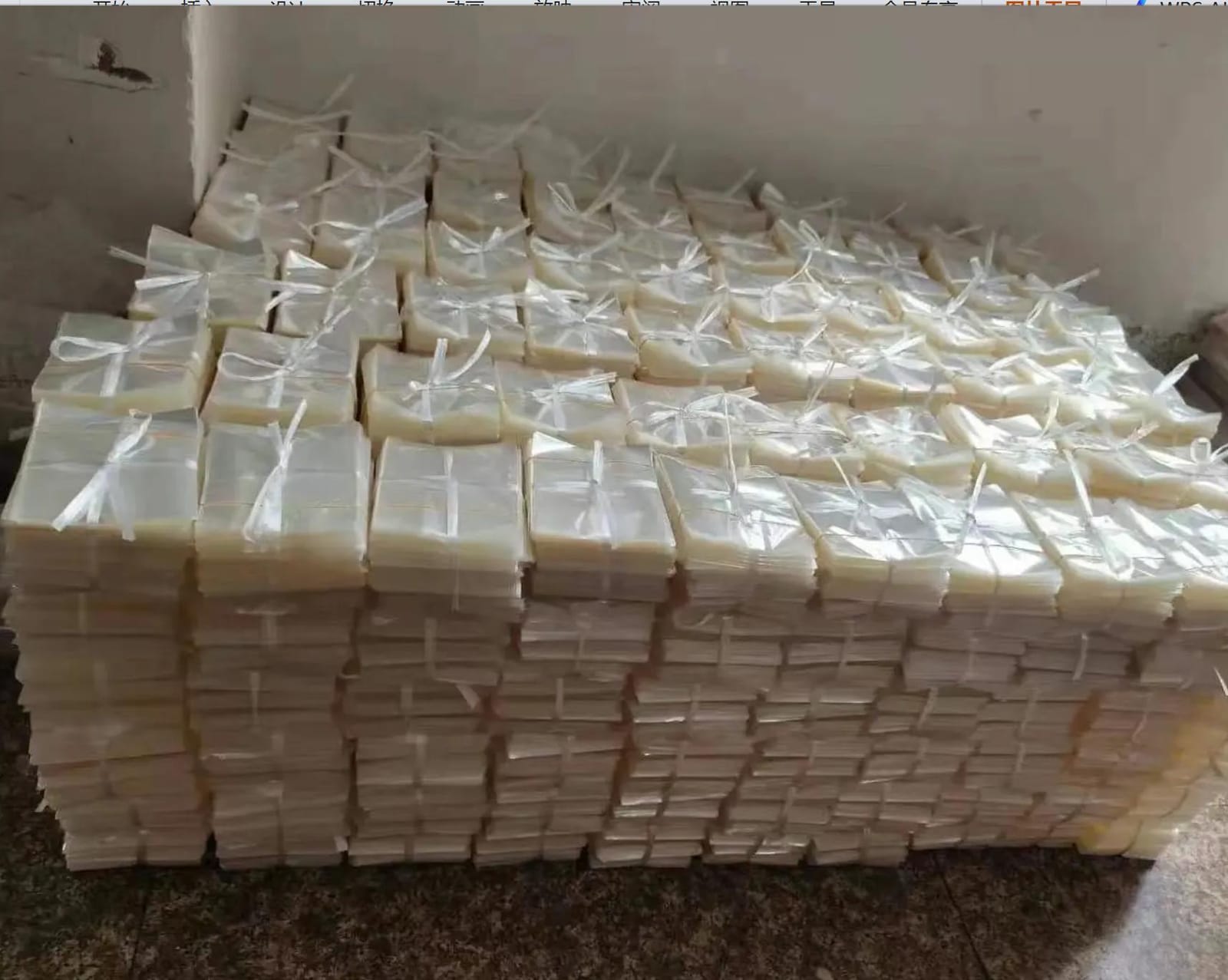
Custom bag MOQ is set by film extrusion and printing setup costs, while lead time reflects artwork approval, sample confirmation and production scheduling. PSF Packaging quotes 7–15 working days for production after sample approval, with a 3,000 m² plant running 8+ tonnes daily.
Key points
- MOQ is a setup-cost question, not an arbitrary barrier.
- Unprinted bags have a much lower economic minimum than printed bags.
- Artwork changes and sample revisions sit outside production lead time.
- A supplier who quotes a lead time before seeing the specification is guessing.
What sets MOQ
| Cost driver | Affects | How to reduce it |
|---|---|---|
| Plate or cylinder setup | Printed bags | Reuse existing artwork, standardise sizes |
| Film extrusion campaign | Film structures | Order shared structures across SKUs |
| Ink mixing and changeover | Coloured printing | Reduce colour count |
| Machine cleaning | All jobs | Group orders by structure |
| Inspection setup | All jobs | Accept a documented inspection plan |
A buyer with multiple SKUs can often lower effective MOQ by standardising film structure across sizes instead of treating every SKU as an independent job.
Where the 7–15 days sit
| Stage | Timing | Who controls it |
|---|---|---|
| Enquiry and specification | Before quote | Buyer and supplier together |
| Artwork preparation | Before production | Buyer, with supplier review |
| Sample production and approval | Before production | Buyer approval gate |
| Production scheduling | 7–15 working days | Supplier |
| Inspection and packing | Included in production | Supplier |
| Sea or air transit | Outside production lead time | Buyer |
“Lead time” quoted without naming its start point is not useful. PSF’s 7–15 working days starts at sample approval.
A realistic first-order sequence
| Week | Action |
|---|---|
| 1 | Send specification; receive structure recommendation and quotation |
| 2 | Approve artwork; receive printed sample |
| 3 | Test sample; confirm or revise |
| 4 | Production, inspection, packing |
| 5+ | Transit to destination |
Compressing weeks 2 and 3 is the most effective way to shorten a first order. Changing artwork after sample approval is the most common cause of delay.
Trial orders are part of qualification
A trial run verifies three things that a sample cannot: production consistency, sealing behaviour at line speed and actual inspection documentation. Buyers should request a retained sample from the trial batch and compare it with the approved sample before placing a volume order.
Boundary: what lead time does not cover
Production lead time does not include international shipping, customs clearance or regulatory checks at destination. For sea freight to the Middle East or Southeast Asia, build transit time into the launch plan separately. It also does not cover new tooling that requires a separate approval cycle.
This article describes general practice in flexible packaging. It is not a substitute for a specification review of your product — film structure, functional values and compliance depend on the contents, the packing line and the destination market.