VCI Rust-Preventive Bags Replace Rust-Preventive Oil
How PSF VCI vapour-phase rust-preventive bags replaced rust-preventive oil for automotive parts, leaving bare metal clean and oil-free.
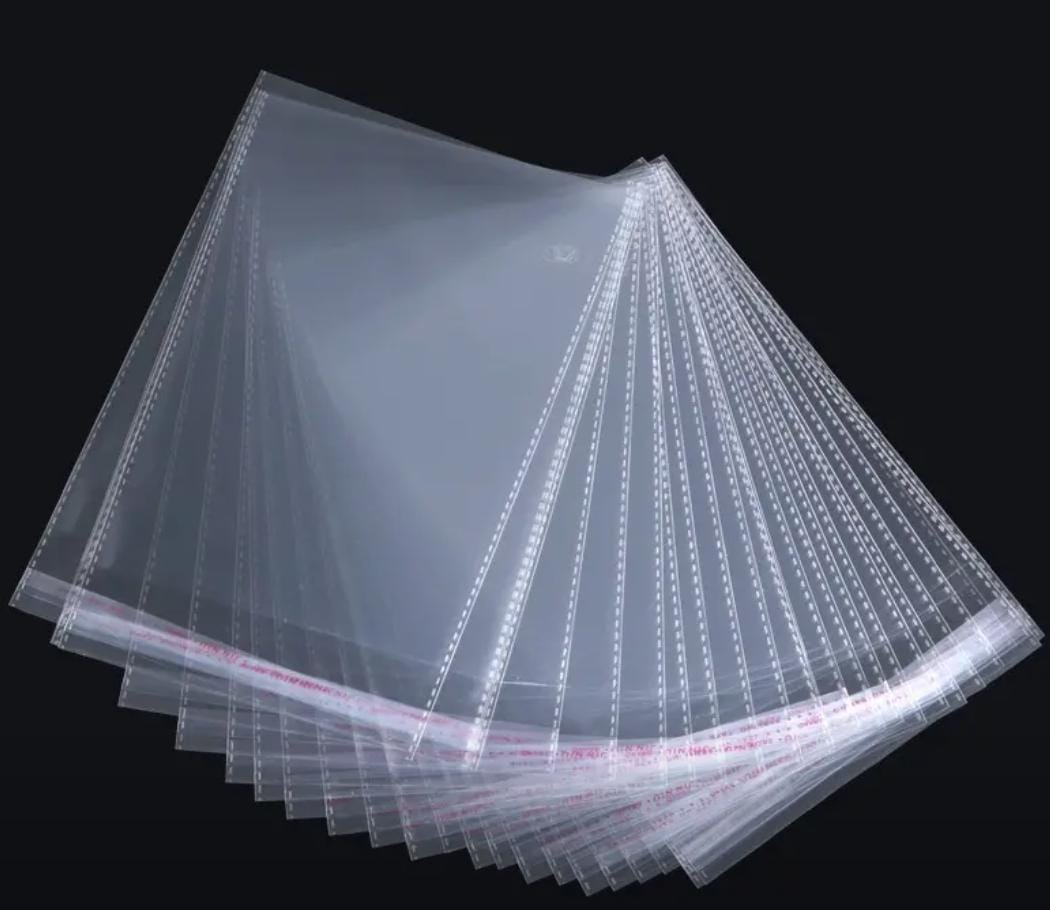
Bare metal automotive parts need corrosion protection that does not leave oil on the surface before assembly. PSF Packaging supplies VCI vapour-phase rust-preventive bags that replace traditional rust-preventive oil for automotive parts, protecting bare metal in a sealed bag, with a 99.9%+ passed-inspection rate and 7–15 day lead times.
The starting condition
Automotive metal parts corrode during storage and sea freight if bare steel is exposed to humid air. The traditional answer — coating parts in rust-preventive oil — leaves residue that must be removed before assembly, painting or weighing, and adds handling and disposal cost. PSF's company profile records a switch from rust-preventive oil to VCI bags for this account; it gives no corrosion-rate or cost percentage.
Constraints
| Protection method | VCI vapour-phase inhibitor, oil-free |
|---|---|
| Parts | Bare metal automotive components |
| Bag condition | Sealed for the inhibitor to work |
| Passed inspection rate | 99.9%+ (plant-wide) |
| Standard lead time | 7–15 days |
| Corrosion-test and volume data | Not disclosed |
Measured results
- Rust prevention method
- Oil residue on unpacked parts
- Passed inspection rate
- Standard lead time
What we changed, and why
- Replace the oil step Instead of coating each part, VCI film releases inhibitors inside the sealed bag and forms a protective layer on the metal surface. Parts unpack clean and go straight to the next operation.
- Match film to metal and route The inhibitor type and film structure are selected from the metal grades, bag volume and transit duration. A generic film is not assumed to fit mixed ferrous and non-ferrous loads.
- Check seal integrity Sharp edges are reviewed because a puncture lets inhibitor escape and humid air in. Bag dimensions and seals are checked before shipment to the 99.9%+ passed-inspection rate.
“The point of VCI is that the part arrives clean. If you still have to wash oil off before assembly, you have not removed the problem — you have simply moved it downstream.”
PSF materials engineer, Internal statement — not a customer quote — BYD
Where this approach stops working
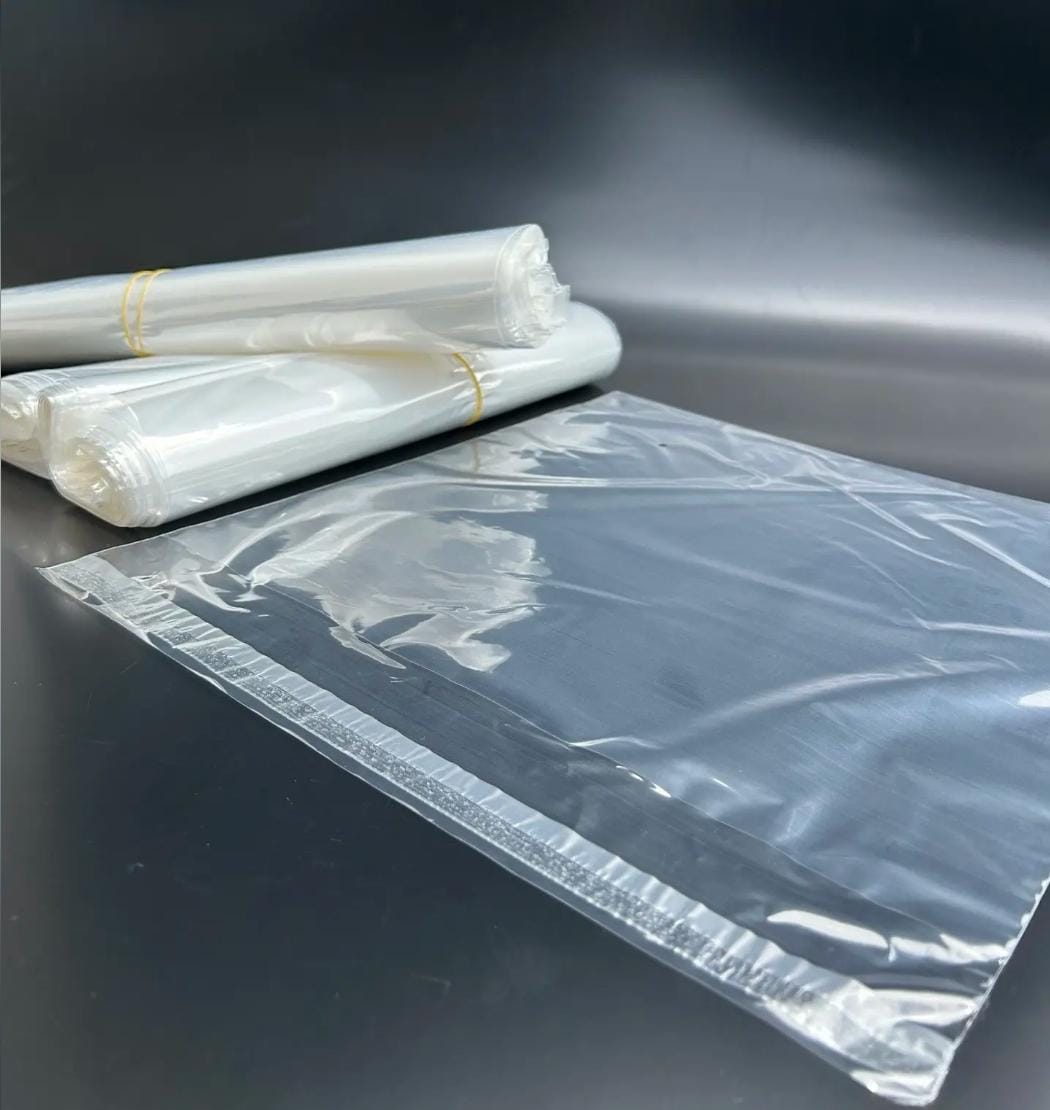
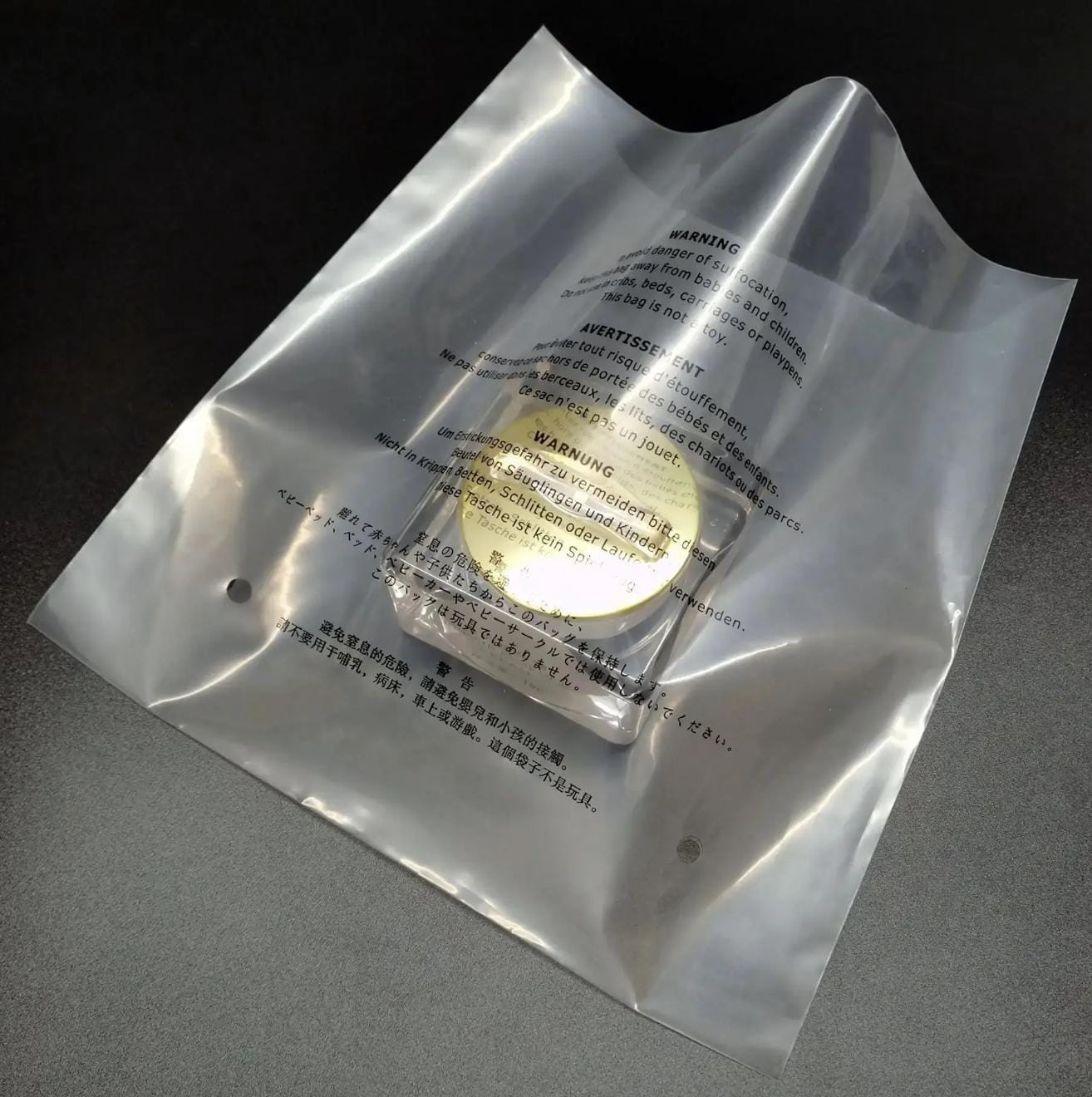
The customer name is published with permission. Part numbers, volumes, salt-spray test results and any before/after corrosion or cost figures are not public and are not claimed here. VCI protection requires a sealed bag; it is not suitable for open, vented or heavily punctured packaging, and the film must be matched to the metal. No VCI-specific product photograph was available, so the image shown is representative PSF production.
Representative PSF production
Products used in this programme
ESD Static Shielding Bags
ESD static shielding bags are multi-layer moisture-barrier packages that dissipate electrostatic charge and shield sensitive electronics from discharge during storage and shipment. PSF Packaging supplies shielding bags with surface resistivity of 10⁶–10¹¹ Ω, made on an integrated film-blowing to bag-converting line, with a 99.9%+ delivery pass rate and 7–15 day lead times..
View productVCI Rust Preventive Bags
VCI rust preventive bags are packaging films that release volatile corrosion inhibitors into a sealed space, forming a protective layer on metal surfaces without direct contact. PSF Packaging produces VCI bags on an integrated film-blowing and bag-converting line for automotive and machinery parts, with a 99.9%+ delivery pass rate and 7–15 day lead times..
View productCustom Zipper & Self-Sealing Bags
Zipper and self-sealing bags are reusable packages with an interlocking closure that can be opened and closed repeatedly without extra equipment. PSF Packaging converts transparent and printed zipper bags with offset and gravure printing up to 150 LPI, supplied in small-batch fast response or large-volume stable supply with 7–15 day lead times..
View productCPE Inner Bags and Protective Film for 3C Product Packaging
Read case studyESD Moisture-Barrier Bags with JIT Delivery and Lightweighting
Read case studySend your bag specification, get a quote
Give us the format, dimensions, film structure and artwork. You will receive an indicative price, a stated lead time and a clear answer on whether we can hold the specification — no obligation, and no sales call unless you ask for one.